
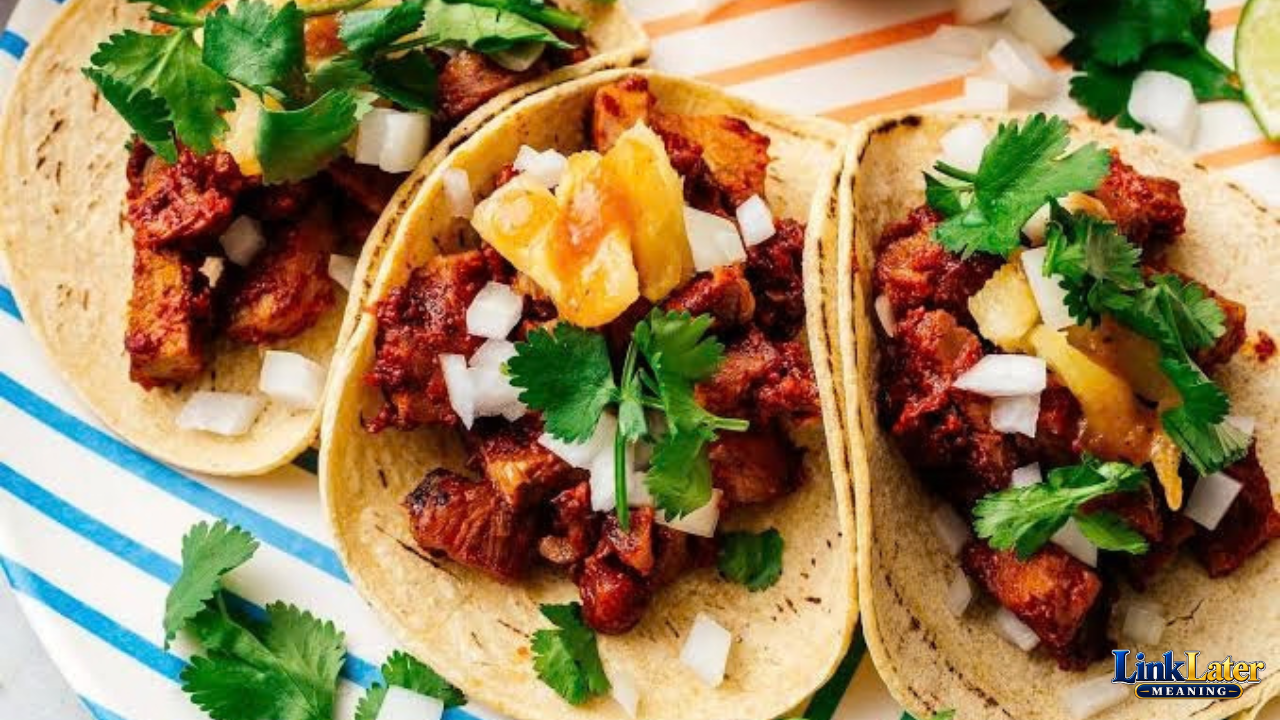
El Pastor: What It Is, Ingredients & Authentic Flavor
El pastor is a beloved Mexican food known for its tender marinated meat, vibrant spices, and irresistible combination of savory, smoky, tangy, and sweet flavors. Traditionally made with pork and cooked on a vertical rotating spit, it has become one of the most recognizable taco styles in Mexican cuisine. Its colorful history and distinctive preparation make it much more than an ordinary taco filling.
From traditional taquerías to home kitchens, el pastor continues to attract food lovers who appreciate bold flavors and time-honored cooking techniques. The dish combines seasoned meat with ingredients such as dried chiles, garlic, vinegar, spices, and pineapple. Served with warm corn tortillas, onions, cilantro, lime, and salsa, it creates a flavorful meal that balances richness with freshness.
What Is El Pastor?
El pastor is a traditional Mexican preparation in which thin slices of marinated meat, most commonly pork, are stacked and cooked on a vertical rotating spit called a trompo. The meat develops a deeply seasoned exterior as it slowly roasts, while the inner layers remain tender and juicy. Cooked portions are shaved directly from the spit and commonly placed into warm tortillas for serving.
The distinctive cooking technique gives el pastor its characteristic texture and appearance. The outer meat becomes lightly crisp and caramelized while the layers underneath retain moisture and seasoning. A chile-based marinade provides color and depth, while pineapple adds a sweet and tangy contrast. This combination of cooking technique, marinade, and fresh toppings creates a flavor profile that is immediately recognizable.
The History and Origins of El Pastor
The history of el pastor reflects the way culinary traditions can travel, adapt, and develop new identities. The dish is associated with Lebanese immigrants who brought vertical-spit meat cooking techniques to Mexico. Mexican cooks adapted that approach using locally available ingredients, including dried chiles, spices, pork, and pineapple. Over time, the technique evolved into a uniquely Mexican style closely associated with tacos and street-food culture.
Puebla is often connected with the development of this culinary tradition, although the dish eventually became popular throughout Mexico. Taquerías helped establish it as an everyday favorite, particularly because the rotating spit could continuously cook and serve meat throughout the day. Today, tacos al pastor can be found across Mexico and in Mexican restaurants around the world, demonstrating the enduring appeal of this flavorful preparation.
Ingredients That Create Its Signature Flavor
The traditional ingredients used in el pastor work together to produce a complex but balanced taste. Pork shoulder is a popular choice because its natural fat helps keep the meat tender while it cooks. The marinade commonly features dried chiles, garlic, vinegar, cumin, oregano, and other seasonings. Each ingredient contributes something different, creating layers of savory, smoky, earthy, spicy, and tangy flavor.
Pineapple is particularly recognizable because it adds brightness and sweetness to the seasoned meat. Depending on the recipe, cooks may also use citrus juice, onion, black pepper, or additional regional spices. The exact marinade varies between families, restaurants, and regions, so there is no single formula. What remains consistent is the goal of creating richly seasoned meat that works beautifully with fresh toppings.
How El Pastor Is Traditionally Prepared
Preparing el pastor traditionally begins with thinly slicing pork before coating each piece in a flavorful chile-based marinade. The meat is allowed to rest so the seasoning can penetrate and develop its flavor. Once marinated, the slices are stacked carefully onto a vertical spit, creating the tall, layered shape commonly known as a trompo. Pineapple may be positioned above the meat as it cooks.
As the trompo rotates beside a heat source, the exterior gradually browns and develops flavorful caramelized edges. A taquero then slices thin portions from the cooked surface while the remaining layers continue roasting. This continuous process allows freshly cooked meat to be served throughout the day. The combination of crisp edges and tender interior pieces is one of the defining characteristics of traditional preparation.
What Makes El Pastor Tacos So Popular?
El pastor tacos bring together several contrasting elements in one simple serving. Warm corn tortillas provide an earthy foundation for thinly sliced seasoned meat, while chopped onion and cilantro add freshness. Pineapple introduces a sweet note, and lime juice provides acidity that cuts through the richness. Salsa can then add additional flavor and heat, allowing diners to customize each taco according to their preferences.
The popularity of el pastor tacos also comes from their connection to Mexican taquería culture. Watching a skilled taquero shave meat directly from a rotating trompo adds an element of theater to the meal. The aroma of roasting spices, sizzling meat, and pineapple can make the experience as memorable as the food itself. This combination of tradition, convenience, and bold flavor has helped make the taco globally recognizable.
Chicken El Pastor: A Popular Alternative
Chicken el pastor offers a flavorful alternative for diners who prefer poultry rather than traditional pork. The preparation typically uses a similar marinade containing chiles, garlic, spices, vinegar, and sometimes pineapple. Boneless chicken thighs are particularly suitable because they tend to remain juicy during cooking, while chicken breast can also be used when prepared carefully to prevent it from becoming dry.
Although chicken el pastor is not the traditional pork preparation, it preserves many of the flavors associated with the original style. The chicken can be grilled, roasted, or cooked in a skillet before being sliced and served with tortillas and fresh toppings. Pineapple, onion, cilantro, lime, and salsa work especially well with the seasoned chicken, making it a versatile choice for tacos, bowls, and wraps.
El Pastor Compared With Other Mexican Meat Dishes
Mexican cuisine includes many celebrated meat preparations, and each has its own cooking method and flavor profile. El pastor traditionally uses marinated pork cooked on a vertical spit, creating browned edges and tender inner layers. Carnitas, by contrast, generally involves slowly cooking pork until it becomes tender, often followed by additional browning. While both can appear in tacos, their textures and preparation techniques are distinctly different.
Carne asada is typically made with seasoned beef cooked over a hot grill, giving it a characteristic grilled flavor. Barbacoa is associated with slow cooking that produces exceptionally tender meat and deep flavor. Shawarma shares the vertical-spit technique with Mexican al pastor, reflecting historical culinary connections, but its seasonings and cultural traditions are different. Understanding these distinctions makes it easier to appreciate the variety within Mexican and related cuisines.
How to Make El Pastor at Home
Making el pastor at home does not require a commercial trompo. Home cooks can create a flavorful version by marinating thinly sliced pork in a mixture of dried chiles, garlic, vinegar, spices, and other preferred seasonings. The meat should have enough time to absorb the marinade before cooking. A well-seasoned marinade is especially important when using a skillet, grill, or oven instead of a vertical spit.
For a skillet preparation, cook the marinated meat in batches over high heat so the pieces brown instead of releasing too much moisture and steaming. An oven or grill can also produce excellent results when the meat is spread evenly and cooked carefully. Once finished, slice or chop the meat into taco-sized pieces and serve it with warm corn tortillas, pineapple, onion, cilantro, lime, and salsa.
What Does El Pastor Taste Like?
The flavor of el pastor is often described as a carefully balanced combination of savory, smoky, spicy, tangy, and sweet notes. The chile marinade gives the meat its deep seasoning and distinctive color, while garlic and spices add aromatic complexity. Cooking over strong heat creates browned edges that contribute additional richness. The final result is flavorful and layered without depending on one ingredient alone.
Pineapple provides an especially important contrast because its sweetness and acidity brighten the rich meat. Fresh cilantro and onion add herbal and crisp notes, while lime introduces another layer of acidity. Salsa can provide heat, smokiness, or freshness depending on the variety. Together, these ingredients create tacos that feel rich yet lively, with different flavors becoming noticeable as each bite develops.
How to Serve and Enjoy El Pastor
Traditional tacos are the most recognizable way to enjoy el pastor, but the seasoned meat can be incorporated into many other meals. It can be used in quesadillas, burritos, tortas, rice bowls, nachos, and loaded fries. These variations allow cooks to preserve the distinctive marinade and roasted flavor while combining the meat with different textures and ingredients for a more customized meal.
Fresh toppings play an important role in balancing the richness of the meat. Chopped white onion, cilantro, pineapple, lime, and salsa are classic choices that add brightness and texture. Mexican rice and beans can accompany tacos as substantial side dishes, while grilled vegetables provide another fresh option. Serving warm ingredients alongside crisp and acidic toppings helps maintain the contrast that makes this style of food so appealing.
Nutritional Considerations and Food Storage
The nutritional profile of el pastor depends on the meat cut, portion size, cooking method, tortilla, marinade, and toppings. Pork shoulder can contain more fat than leaner cuts, while chicken preparations may vary depending on whether thighs or breast meat are used. Toppings and sauces can also contribute calories, sodium, or other nutrients, so the final nutritional value differs considerably from one recipe or restaurant serving to another.
Leftover meat should be refrigerated promptly in a covered container and kept separate from delicate toppings when possible. When reheating, a skillet or oven can help restore some of the meat’s browned texture while reducing the chance of excessive moisture. Tortillas, cilantro, onion, pineapple, lime, and salsa are best stored separately so they remain fresh and retain their original textures when the meal is assembled again.
Conclusion
El pastor brings together Mexican culinary creativity, cultural history, and a distinctive cooking technique. Its traditional pork preparation combines a chile-based marinade with slow roasting on a vertical spit, producing tender meat with deeply browned edges. Pineapple, onion, cilantro, lime, and salsa then provide the contrasting sweetness, freshness, acidity, and heat that make the dish so recognizable.
Whether enjoyed at a busy taquería or recreated in a home kitchen, el pastor offers an inviting introduction to the depth of Mexican food traditions. Its popularity has also inspired variations such as chicken preparations and creative dishes beyond tacos. Understanding its ingredients, history, and preparation makes every bite more meaningful while highlighting why this Mexican favorite continues to attract food lovers.
Frequently Asked Questions
What is el pastor?
El pastor is a Mexican preparation traditionally made with marinated pork cooked on a vertical rotating spit and served commonly in tacos.
What meat is traditionally used for el pastor?
Traditional preparations generally use pork, particularly cuts such as pork shoulder that provide tenderness and rich flavor during cooking.
What are el pastor tacos made with?
Tacos typically combine marinated pork with warm corn tortillas, onion, cilantro, pineapple, lime, and salsa.
Why does el pastor have pineapple?
Pineapple adds sweetness and acidity that complement the savory, seasoned meat and provide a refreshing contrast in each taco.
Is el pastor spicy?
The heat level varies according to the chiles and seasonings used, so some preparations are mild while others have noticeable chile heat.
What is chicken el pastor?
Chicken el pastor is a popular variation that uses chicken with a similar chile, spice, garlic, and acidic marinade.
Can you make el pastor without a vertical spit?
Yes, home cooks can use a skillet, grill, or oven to recreate many of the dish’s characteristic flavors and browned textures.
What toppings go well with el pastor tacos?
Traditional toppings include chopped onion, cilantro, pineapple, lime, and salsa, which balance the meat with freshness, acidity, sweetness, and heat.
Also Read: ac maintenance