
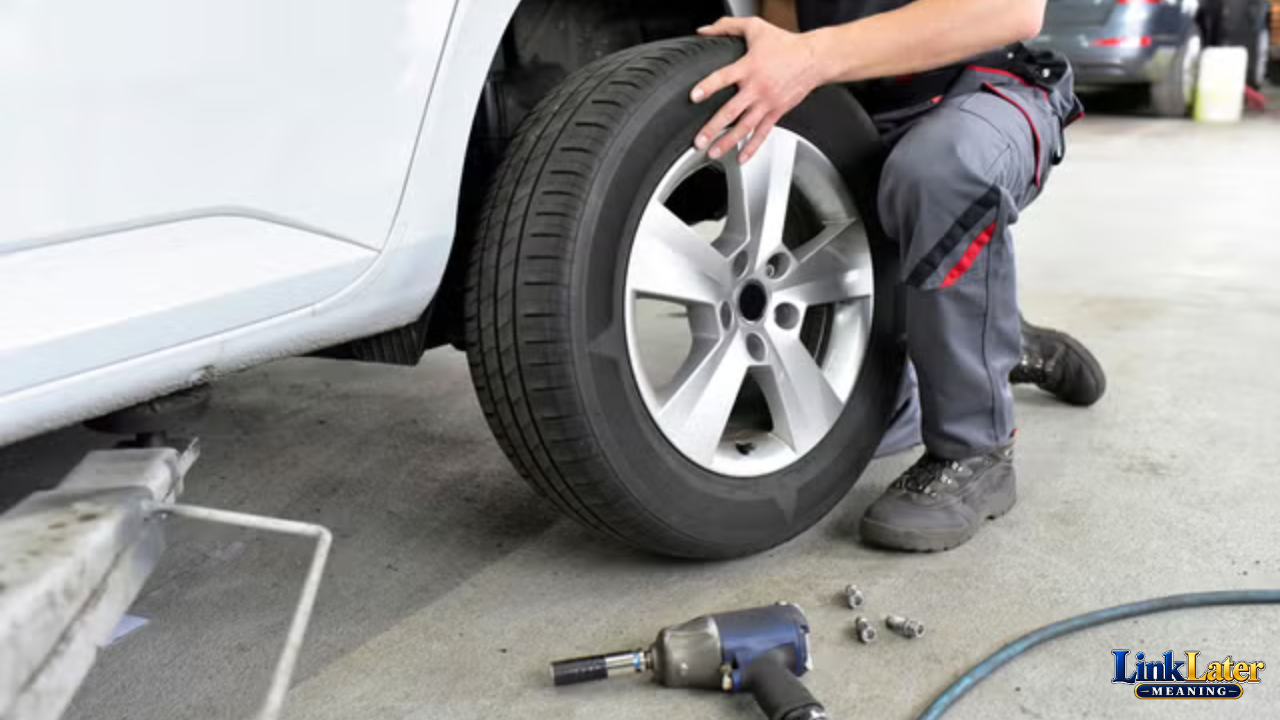
How Often to Rotate Tires: The Right Mileage Guide
Knowing how often to rotate tires is an important part of routine vehicle maintenance. A commonly recommended interval is every 5,000 to 7,500 miles, although some manufacturers and tire brands may specify a different schedule. The most reliable starting point is always your vehicle owner’s manual because the recommended interval can vary based on the vehicle, tire type, drivetrain, and driving conditions. Regular rotation helps promote more even tread wear across all four tires.
For drivers who prefer a simple maintenance routine, tire rotation can often be scheduled around other regular vehicle services. Some tire-maintenance guidance also uses a time-based interval, such as approximately every six months, when appropriate. However, mileage and time should be treated as general guidelines rather than universal rules. Checking the manufacturer’s recommendations and inspecting your tires regularly can help you determine when maintenance is actually due.
Why Do Tires Need to Be Rotated?
Understanding how often to rotate tires becomes easier when you understand how tires wear. Each tire experiences different forces depending on where it is installed and what job it performs. Front tires may handle steering, braking, and engine power on many vehicles, while rear tires can experience different loads and road forces. Rotating the tires changes their positions so tread wear can be distributed more evenly rather than allowing one pair to wear substantially faster.
Regular rotation is intended to help maintain more consistent tread wear throughout the tire set. Even wear can support predictable handling and allow drivers to make better use of the available tread before replacement becomes necessary. Tire rotation is not a substitute for proper inflation, wheel alignment, or tire inspections, but it works alongside those maintenance practices. The supplied search results specifically identify more even wear, longer tire life, and stable road performance as key reasons for regular rotation.
How Often to Rotate Tires on FWD Vehicles
When considering how often to rotate tires FWD vehicles, front tires deserve particular attention because they often perform several demanding tasks at once. In a front-wheel-drive vehicle, the front tires typically steer the vehicle while also transferring engine power to the road. They may therefore experience faster or different tread wear than the rear tires, making consistent maintenance especially important for keeping wear patterns under control.
The appropriate interval still depends on the specific vehicle, so owners should begin with the manufacturer’s maintenance schedule. A common guideline falls around 5,000 to 7,500 miles, but the exact recommendation may differ. If the front tires appear to be wearing noticeably faster, rotation alone may not solve the issue. Tire pressure, alignment, suspension condition, driving habits, and road conditions can all influence how quickly tread wears.
How Often to Rotate Tires on AWD Vehicles
Drivers researching how often to rotate tires AWD vehicles should pay close attention to their manufacturer’s instructions because all-wheel-drive systems can have specific tire requirements. The supplied search results identify a shorter general interval of approximately 3,000 to 5,000 miles for some AWD vehicles, compared with the broader 5,000 to 7,500-mile guideline commonly shown for FWD or RWD vehicles. These figures should be treated as general guidance rather than a universal AWD rule.
AWD vehicles can benefit from consistent tire maintenance because all four wheels may receive engine power. Differences in tire condition, tread depth, or size can matter depending on the vehicle’s design and manufacturer requirements. For that reason, AWD owners should monitor all four tires rather than focusing only on the front or rear pair. If tread wear becomes noticeably uneven, checking the owner’s manual and consulting a qualified tire professional can help determine the appropriate next step.
How Often to Rotate Tires If You Don’t Drive Much

If you are wondering how often to rotate tires if you don’t drive much, the odometer should not be your only consideration. Low-mileage drivers may take a long time to reach a mileage-based rotation interval, particularly when a vehicle spends most of the week parked. Some maintenance recommendations therefore include a time-based interval in addition to mileage. The supplied search results cite approximately six months as a general time-based guideline in some circumstances.
Occasional drivers should also inspect their tires even when the vehicle has accumulated relatively few miles. Look for unusual tread wear, visible damage, cracking, or other changes that could indicate a maintenance issue. A vehicle that is rarely driven still requires appropriate tire care, and extended periods of sitting do not automatically eliminate the need for inspection. Following the vehicle manufacturer’s recommendations provides a more dependable maintenance routine than relying solely on how frequently the vehicle is driven.
Signs Your Tires May Need to Be Rotated
One of the most noticeable reasons to review how often to rotate tires is uneven tread wear. Examine the tread across all four tires and compare the front and rear positions when possible. If one pair appears significantly more worn than the other, the vehicle may be due for rotation. However, uneven wear can also result from incorrect tire pressure, alignment problems, suspension issues, road conditions, or driving habits, so the appearance of the tread should be considered a starting point rather than a diagnosis.
Changes in vehicle behavior can also justify a tire inspection. Vibrations, unusual road noise, pulling, or changes in steering feel may indicate a tire, wheel, alignment, balancing, or mechanical issue. These symptoms should not automatically be attributed to tire rotation. If something feels different while driving, a qualified technician can inspect the tires and related components to identify the underlying cause and determine whether rotation or another service is appropriate.
What Is the Correct Tire Rotation Pattern?
Knowing how often to rotate tires is only part of proper tire maintenance because the correct rotation pattern matters as well. Common patterns include forward cross, rearward cross, and X-pattern rotations, while some vehicles may use side-to-side movement. The correct pattern depends on the vehicle, tire construction, tire size, and whether the tires are directional or otherwise restricted. Always check the vehicle owner’s manual and tire manufacturer’s instructions before changing wheel positions.
Some tire configurations cannot be moved freely between all four corners. Directional tires, staggered setups, and vehicles with different front and rear tire sizes can require specialized rotation procedures. Using the wrong pattern can defeat the purpose of scheduled rotation or place a tire in a position where it is not intended to operate. When the tire setup is unusual or the instructions are unclear, professional service can help ensure the rotation follows the manufacturer’s requirements.
What Should You Check During a Tire Rotation?
A tire rotation provides a convenient opportunity to inspect the overall condition of the tires. Check tire pressure using the vehicle manufacturer’s recommended pressure, examine tread depth, and look for cuts, punctures, cracks, bulges, or other visible damage. Tire condition can change between service appointments, so drivers should not wait for their next scheduled rotation to investigate an obvious problem. Routine visual checks can provide an early warning when something needs professional attention.
It is also important to understand that tire rotation, wheel balancing, and wheel alignment are different services. Rotation changes tire positions, balancing addresses weight distribution around the wheel, and alignment concerns the angles at which the wheels meet the road. A rotation does not automatically mean that balancing or alignment is necessary. If a technician identifies uneven wear or the vehicle develops vibration or pulling, additional inspection may be appropriate based on the observed condition.
How Long Does a Tire Rotation Take?
The amount of time required for a tire rotation depends on the vehicle, service facility, equipment, and whether additional inspections are performed during the appointment. Many rotations can be completed as part of a routine maintenance visit, which makes it convenient to combine tire service with other scheduled vehicle care. Before booking an appointment, drivers can ask what the service includes and whether tire pressure and tread condition will also be checked.
The cost of rotation can vary between service providers and may depend on whether the vehicle has special tire requirements. Some tire retailers or service centers may include rotation as part of a tire purchase or maintenance package, while others may charge separately. Cost should not determine how often to rotate tires when the manufacturer specifies a maintenance interval. The primary goal is to follow the appropriate schedule and keep the tires in suitable condition.
Common Tire Rotation Mistakes to Avoid
One common mistake is waiting until severe uneven wear appears before rotating the tires. Another is following a generic mileage number without checking the vehicle’s owner’s manual. The supplied search results show several different general recommendations, including 5,000 to 7,500 miles, 5,000 to 8,000 miles, and other vehicle-specific intervals. This variation demonstrates why a universal schedule should not replace the manufacturer’s recommendation.
Drivers can also make the mistake of assuming that tire rotation fixes every type of uneven wear. If a tire repeatedly develops excessive wear on one edge, for example, there may be an alignment or suspension issue that needs attention. Ignoring tire pressure, using an incorrect rotation pattern, or overlooking directional tire markings can create additional problems. Good maintenance combines the appropriate rotation schedule with regular inspections and attention to unusual changes in tire condition.
How to Build a Tire Rotation Schedule
Creating a simple maintenance routine makes it easier to remember how often to rotate tires. Begin by checking the owner’s manual for the recommended mileage and time interval. Record the odometer reading whenever the tires are rotated, then set a reminder for the next service. Pairing tire rotation with another scheduled maintenance appointment can also make the process easier to remember without relying entirely on memory.
Your driving habits should also remain part of the maintenance conversation. Frequent highway driving, repeated short trips, heavy loads, towing, aggressive acceleration, and other conditions can affect tire wear. Drivers should inspect their tires between scheduled services rather than assuming that reaching a particular mileage automatically means everything is fine. A consistent schedule combined with visual inspections provides a practical way to stay aware of tire condition.
Conclusion
Understanding how often to rotate tires helps turn a small maintenance task into a consistent part of responsible vehicle care. A commonly cited range is 5,000 to 7,500 miles, while other guidance extends to approximately 8,000 miles, and some vehicles may require a different schedule altogether. The vehicle owner’s manual remains the most important reference because manufacturers can establish intervals based on the vehicle’s design and intended operating conditions.
Whether you drive thousands of miles each month or only take occasional trips, regular tire inspections remain valuable. Watch for uneven tread wear, unusual vibration, changes in handling, and visible tire damage, and address those signs rather than waiting for the next scheduled appointment. Following the correct rotation pattern, maintaining proper tire pressure, and using your manufacturer’s maintenance recommendations can help your tires wear more evenly and keep your vehicle prepared for everyday driving.
Frequently Asked Questions
How often should you rotate your tires?
A common guideline is every 5,000 to 7,500 miles, but your vehicle manufacturer’s recommended interval should take priority.
How often should you rotate tires on an AWD vehicle?
Some general guidance suggests about 3,000 to 5,000 miles for AWD vehicles, but the exact schedule should come from the manufacturer’s instructions.
How often should you rotate tires on a FWD vehicle?
FWD vehicles commonly follow a rotation interval around 5,000 to 7,500 miles, although individual manufacturers may specify a different schedule.
How often should you rotate tires if you don’t drive much?
Low-mileage drivers should follow the manufacturer’s time-based guidance as well as mileage recommendations, with some general guidance using approximately six months.
Is it okay to rotate tires every 10,000 miles?
A 10,000-mile interval may be longer than many commonly recommended schedules, so check your vehicle owner’s manual before adopting it.
Does tire rotation make tires last longer?
Regular rotation can promote more even tread wear and may help drivers make better use of their tires’ available tread life.
Do I need an alignment when I rotate my tires?
No, rotation and alignment are separate services, although uneven wear or steering symptoms may indicate that an alignment inspection is needed.
Can I rotate directional tires?
Yes, but directional tires have specific positioning requirements, so the rotation must follow the tire manufacturer’s and vehicle manufacturer’s instructions.
Also Read: john lennon tooth